
A vision of financial inclusion for the South Pacific
In January 2000, Samoa became our initial and flagship microfinance institution of the SPBD Network. Today, SPBD Samoa is often used to launch new products and pilot initiatives. Our teams work in nearly every village in Samoa and have been financially sustainable since 2007. SPBD currently serves almost 20,000 families in Samoa, almost 60% of households.

Why Samoa?
Poverty in Samoa remains a challenge. According to the UN, 25% of all Samoan families live below the poverty line of US$2 per day. A substantial portion of the population continues to grapple with limited access to basic necessities such as education, healthcare, and employment opportunities. Additionally, issues such as limited infrastructure development in rural areas exacerbates the problem. Samoa has also been affected by external shocks such as the global economic downturn and, more recently, the impact of the COVID-19 pandemic.
SPBD Samoa by the numbers

US $103M
Value of loans disbursed
since inception

118,400
Number of loans made
to hard-working women

18,500
Number of
Savings accounts

6,400
Number of
loans outstanding
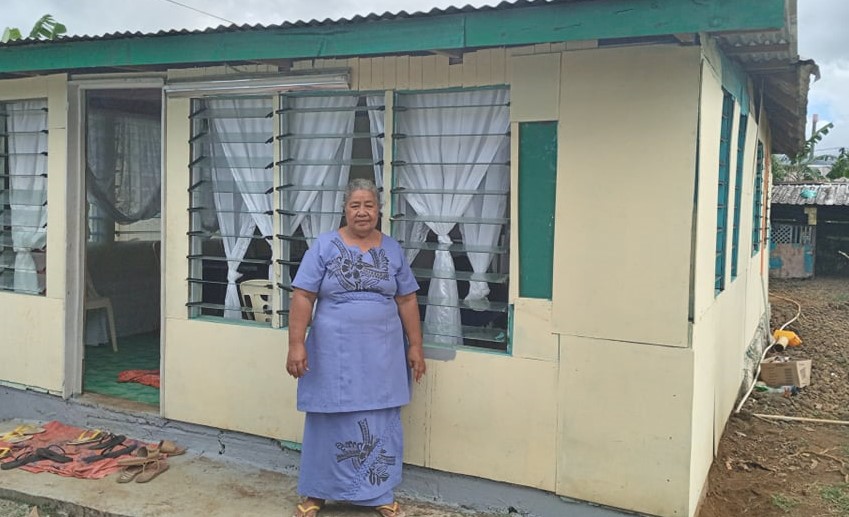
“I am not weak anymore because of SPBD. I am strong.”
Felauai, SME Member (Sausage Maker, Produce, Taxi), Samoa
About Samoa
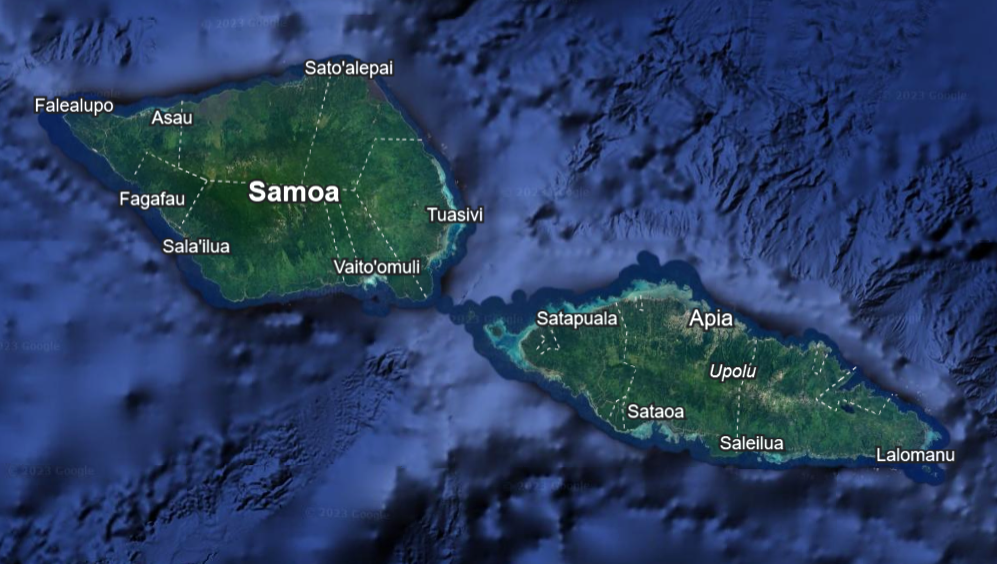
Samoa is considered the cultural heart of Polynesia. However, underdevelopment of the financial markets has been identified as a binding constraint to private sector development. There are four commercial banks (ANZ Bank, BSP Bank, National Bank of Samoa, and Samoa Commercial Bank) and other non-bank financial providers (such as the Development Bank of Samoa, the National Provident Fund, and SPBD Samoa) the country still ranked 98th out of 190 economies for ease of doing business (ranking from the best to the worst) in Doing Business 2019 (www.doingbusiness.org).
Latest News
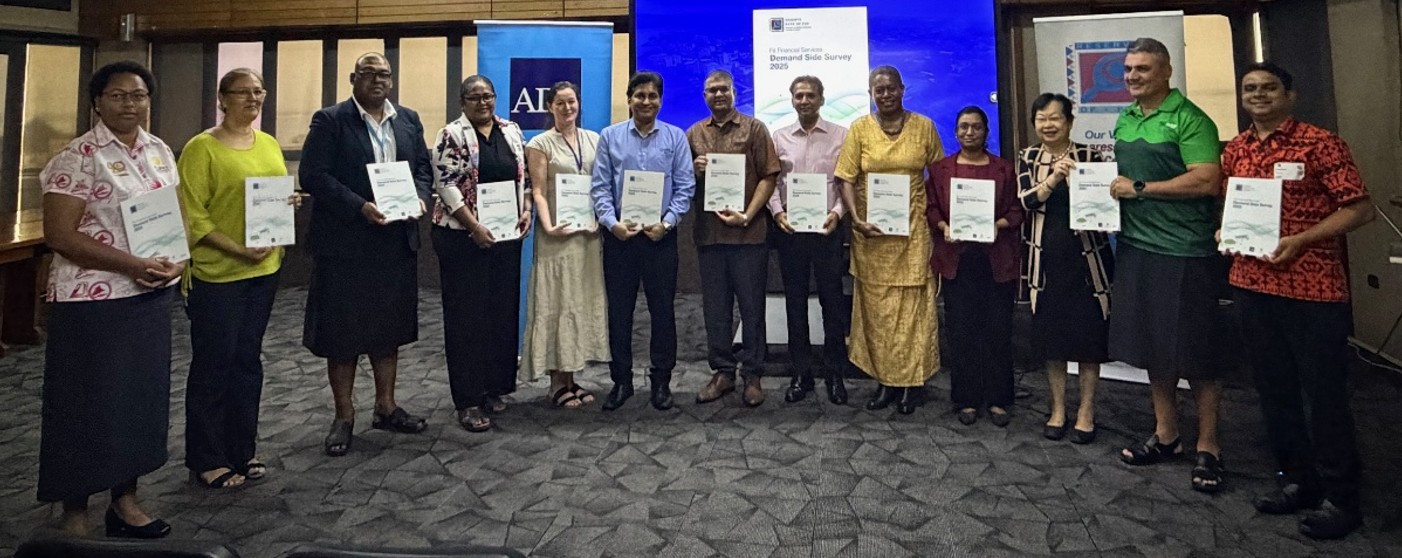
Reserve Bank of Fiji – Launch of the Fiji Financial Services Demand Side Survey 2025 Report
The Reserve Bank of Fiji (RBF) today launched the Fiji Financial Services Demand Side Survey (DSS) 2025 Report, the country’s most comprehensive assessment of how Fijians access, use and benefit from financial services. The survey, conducted by Tebbutt Research with funding support from the Asian Development Bank (ADB), interviewed 1,114 households nationwide between September and November [...]
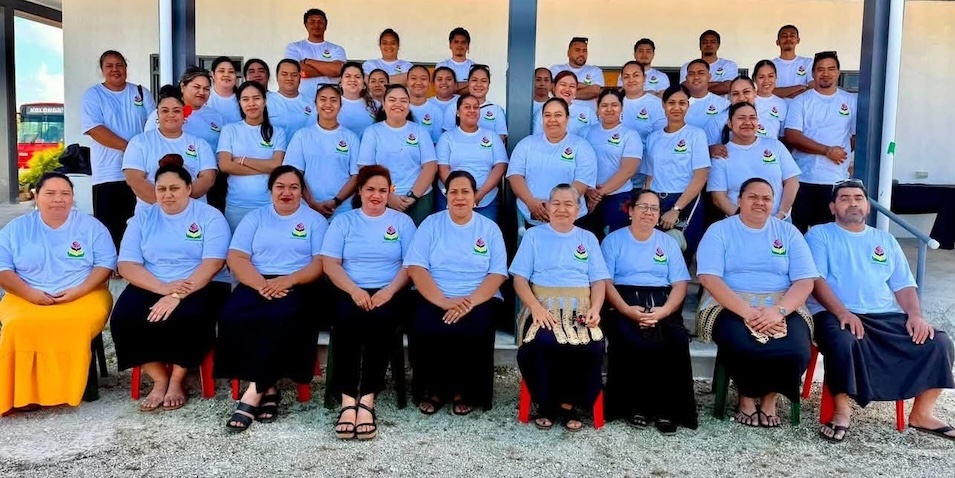
SPBD Tonga Surpasses TOP $300 Million in Loans, Empowering Women Entrepreneurs
SPBD Microfinance (Tonga) Ltd, part of the South Pacific's leading microfinance network dedicated to empowering women microentrepreneurs, is proud to announce a landmark achievement in its mission to transform lives and strengthen communities. The organization has now disbursed more than TOP $300 million in loans since commencing operations in Tonga in 2009. This remarkable milestone comes just one year [...]

SPBD Fiji launches 2026 Businesswoman of the Year Awards
SPBD Fiji has officially launched its 2026 Businesswoman of the Year Awards. The Awards will be held under the theme, “Empowering Women, Strengthening Teams, Shaping Sustainable Futures.” Launching the Awards, SPBD Fiji Managing Director Lorraine Seeto said the event celebrated more than business success. “They celebrate courage over fear, determination over adversity, and hope over [...]
Help us build their better future
Talk to us today about ways you can provide funding, get involved, or share their stories with the world.